Imagine reaching into a jar of old pennies and pulling out a coin worth hundreds — or even thousands — of dollars. That’s exactly what could happen if you find a 1931-S Lincoln Wheat Penny. This tiny copper coin carries an outsized story rooted in economic collapse, scarcity, and collector obsession.
If you’ve ever wondered why this particular penny commands such attention, you’re about to find out.
Table of Contents
- What Is the 1931-S Lincoln Wheat Penny?
- Why Were So Few Minted?
- How Much Is a 1931-S Penny Worth Today?
- Grading the 1931-S Penny
- Key Varieties and Errors to Know
- Where to Buy or Sell One
- Quick Insights
- FAQs
- Conclusion
What Is the 1931-S Lincoln Wheat Penny?
The Lincoln Wheat Penny series ran from 1909 to 1958. These coins feature Abraham Lincoln on the obverse and two wheat stalks flanking “ONE CENT” on the reverse.
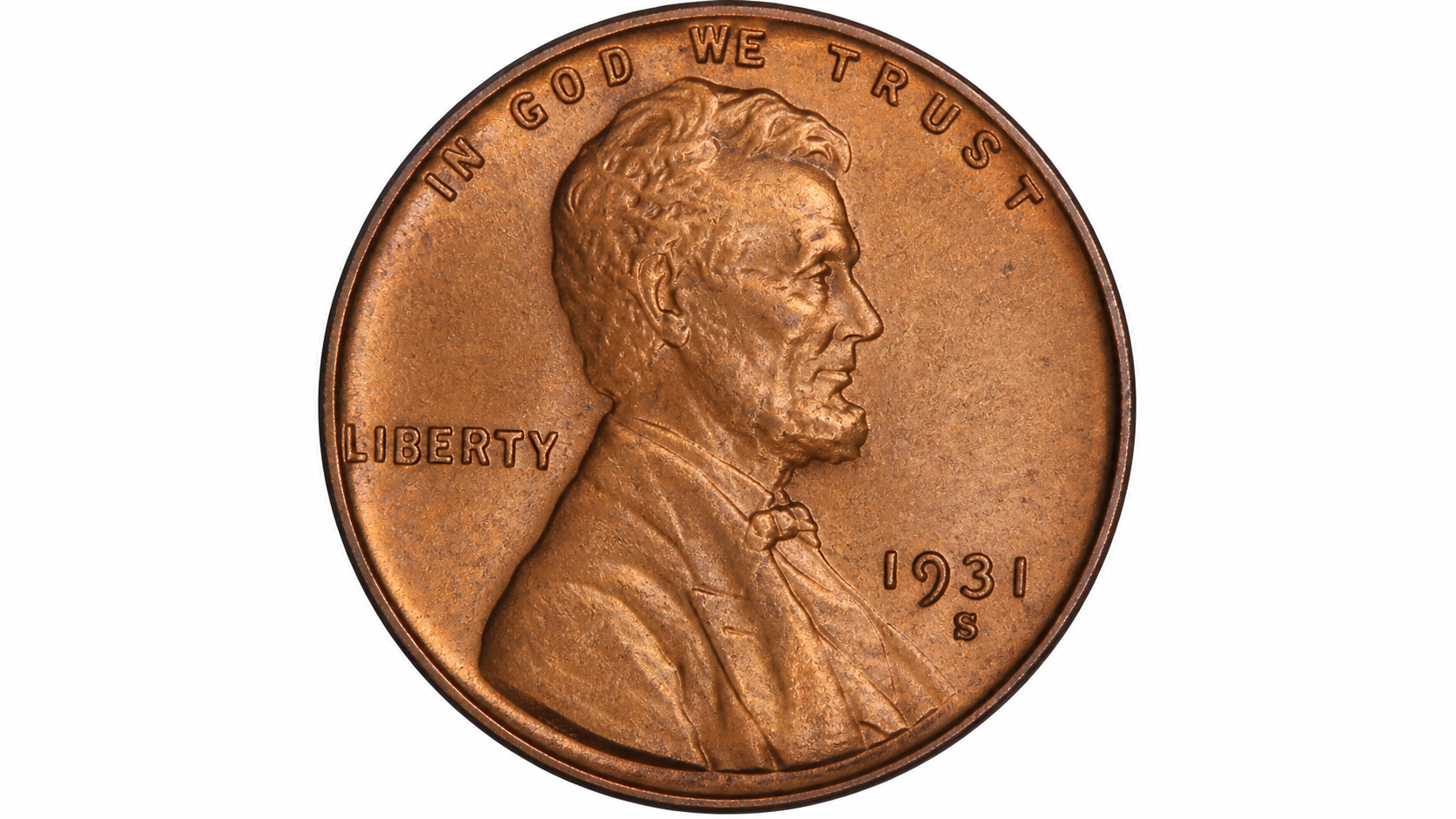
The 1931-S refers to a penny struck at the San Francisco Mint in 1931. The “S” mintmark appears just below the date on the obverse. It’s one of the most recognized low-mintage dates in the entire Wheat Penny series.
Why Were So Few 1931-S Pennies Minted?
This is where history meets numismatics. In 1931, the United States was deep in the Great Depression. Banks were failing. Consumer spending had collapsed. The demand for circulating coinage dropped dramatically.
Because of this:
- The Philadelphia Mint struck just 19,396,000 pennies in 1931.
- The Denver Mint produced a mere 4,480,000 (the 1931-D).
- The San Francisco Mint minted only 866,000 pennies — an extraordinarily low number for any regular-issue Lincoln cent.
That figure — 866,000 — is what makes the 1931-S penny so special. For context, many common-date Wheat Pennies were struck in quantities exceeding 100 million. The 1931-S is roughly 100 times rarer than those coins by mintage alone.
The U.S. Mint simply didn’t need more coins. Therefore, fewer were made. Those that were struck, however, entered circulation and many were spent, lost, or damaged over the decades — shrinking the surviving population further.
How Much Is a 1931-S Lincoln Wheat Penny Worth Today?
The value of a 1931-S penny depends almost entirely on its condition. Here’s a general breakdown:
| Grade | Estimated Value |
|---|---|
| Good (G-4) | $75 – $100 |
| Very Fine (VF-20) | $150 – $200 |
| Extremely Fine (EF-40) | $200 – $275 |
| About Uncirculated (AU-50) | $300 – $400 |
| Mint State (MS-63) | $500 – $700 |
| Mint State (MS-65) | $1,200 – $2,000+ |
Even a worn, heavily circulated example is worth real money. A high-grade Red (RD) designation specimen — meaning the original copper luster is mostly intact — can easily surpass $2,000 at auction.
This makes the 1931-S penny one of the most valuable Lincoln cents you can realistically find in old collections or estates.
Grading the 1931-S Penny: What to Look For
Proper grading is everything with rare coins. If you think you’ve found a 1931-S Wheat Penny, examine these features carefully:
- High points of wear: Lincoln’s cheekbone, jawline, and the wheat stalks on the reverse show wear first.
- Date and mintmark clarity: The “S” below the date should be sharp and well-defined.
- Luster: Uncirculated coins will show original mint luster. Any dullness or rub reduces value significantly.
- Color designation: Coins are graded Brown (BN), Red-Brown (RB), or Red (RD). Red commands the highest premium.
For accurate grading, consider submitting your coin to PCGS (Professional Coin Grading Service) or NGC (Numismatic Guaranty Corporation). Certified coins sell for significantly more and are easier to authenticate.
To learn how to assess coin condition yourself before spending money on professional grading, read our guide on how to grade coins at home.
Key Varieties and Errors to Watch For
The 1931-S doesn’t have well-known major die varieties like some other dates, but there are still details worth noting:
- Repunched mintmarks (RPM): Look for a doubled or slightly offset “S” mintmark under magnification.
- Die cracks and cuds: Small die cracks add minor interest but rarely premium value.
- Strike quality: Some 1931-S coins are weakly struck. A sharply struck example is worth seeking out.
Error coins from this era are rare in their own right. If you’re hunting for error coins in general, check out our post on most valuable error coins found in circulation.
Where to Buy or Sell a 1931-S Penny
If you’re looking to buy or sell this coin, here are your best options:
- Coin shows and dealer shops — In-person inspection is ideal for high-value coins.
- eBay and Heritage Auctions — Large marketplaces with completed sale data for price research.
- PCGS CoinFacts / NGC Price Guide — Use these for current market values and population reports.
- Coin roll hunting — While unlikely, Wheat Pennies still turn up occasionally. Learn smart strategies in our coin roll hunting tips guide.
Always buy certified coins when spending over $100. It protects your investment and ensures authenticity.
⚡ Quick Insights
- Mintage: Only 866,000 struck — among the lowest of any regular-issue Lincoln cent.
- Era: Great Depression (1931) — economic collapse directly caused the low mintage.
- Key value driver: Condition (grade) and color (Red vs. Brown).
- Best find scenario: Inherited coin collections and old estate sales.
- Certification matters: PCGS or NGC certification significantly boosts resale value.
Key Takeaways
- The 1931-S Lincoln Wheat Penny was produced in extremely limited numbers due to the Great Depression.
- Even circulated examples are worth $75–$100+, while uncirculated specimens can fetch $2,000 or more.
- Always grade and authenticate before buying or selling high-value coins.
- Repunched mintmarks and sharp strikes add additional collector appeal.
Conclusion
The 1931-S Lincoln Wheat Penny is a genuine piece of American history forged during one of the nation’s darkest economic periods. Its scarcity wasn’t planned — it was a consequence of a country in crisis. Today, that scarcity translates directly into collector value.
Whether you’ve found one in an old collection or you’re actively building a set of key-date Wheat Pennies, this coin deserves serious attention. Even a worn example is worth real money — and a pristine one can be a remarkable find.
Ready to dive deeper into rare coin collecting? Explore our full guides on grading, coin hunting, and key-date values at RareCoinsFinder.com.
FAQs
Q1: How do I know if my penny is a 1931-S? Look below the date for an “S” mintmark. The date must clearly read “1931.” Use a magnifying glass for accurate identification.
Q2: Is the 1931-S penny rare? Yes. With only 866,000 minted, the 1931-S is one of the rarest regular-issue Lincoln Wheat Pennies. It’s far scarcer than most dates in the series.
Q3: What makes the 1931-S more valuable than other wheat pennies? Its extremely low mintage combined with Depression-era circulation means very few survivors exist in good condition, driving up collector demand and price.
Q4: Should I clean my 1931-S penny before selling? Absolutely not. Cleaning damages the surface and drastically reduces value. Collectors and graders prefer original, uncleaned surfaces — even if they look dull.
Q5: Where can I find the current value of a 1931-S penny? Check PCGS CoinFacts or the NGC Price Guide for up-to-date market values based on grade and color designation.